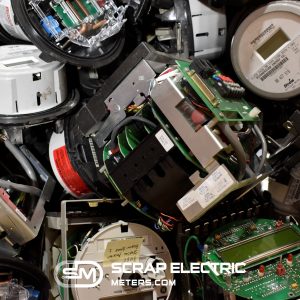
Throughout our lifetime, something that has changed in our regular day to day existence is the measure of electricity we use. People use electricity both at work and at home to make our lives faster, easier, and more proficient. Nonetheless, something this good comes at a price. The way one tracks a cost like electricity use is through electric meters. In this way, recycling electric meters is crucial.
Recycling Electric Meters
Recycling the Different Types of Electric Meters
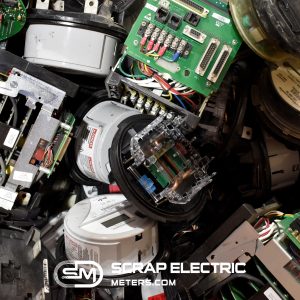
Electric meters monitor energy use to charge clients. As a result of the sheer measure of energy there is to monitor, there are several types of meters.
One type of electric meter is an analog meter. With this sort of meter, one must use a meter reader to physically walk through neighborhoods. Then, read the meters and return to the workplace to enter the data. In recent years, smart meters have replaced analog meters.
With smart meters, one drives through neighborhoods and afterward inputs the data right away. There are even smart meters with 5G technology! These meters have replaced analog meters because of their precision and data security. In fact, they have the ability to pinpoint the specific area of an electric meter within a mile.
As we have seen with past technology, improvements will continue to be made. With the advantages these improvements offer, even more gadgets and devices will become old. As a result, it is very important to learn how to recycle meters.
Analog vs. Digital Meters
Recyclers must know all of the different types of meters to understand how to recycle utility meters. These meters include:
- Analog meters with glass coverings
- Digital meters with glass coverings
- Digital meters with plastic coverings
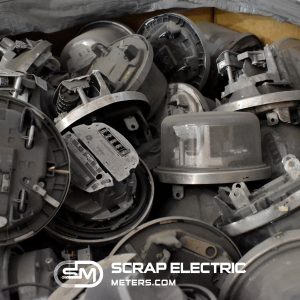
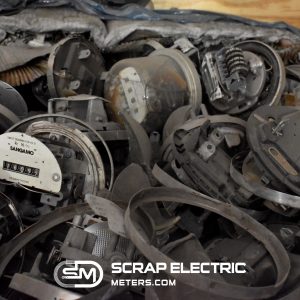
Every one of these meters has a different recycling process. Analog meters are the least important. They have a glass cover that must be removed. Glass covers weigh a significant amount so they should be removed from all meters before recycling. Their weight could affect with the recycling process.
Digital meters are worth more than analog meters. They come with a plastic covering that is not removed.
Following the isolation of the meters, companies must pack the scrap meters for shipping to the facility where professional recyclers recycle meters. The most ideal approach to pack utility meters is freely in a palletized gaylord box. This allows for a productive loading and unloading process. This minimizes transportation costs. We provide pallets and packing supplies for shipping if necessary.
The Recycling Process
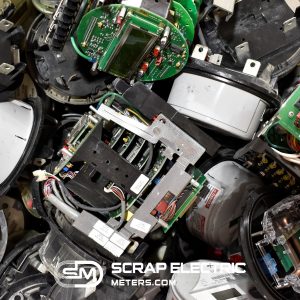
After we get the scrap meters, the electric meter recycling process starts. For example, this method of recycling electric meters consists of:
- Detaching stainless steel rings and collars
- Refining all ferrous and non-ferrous metals
- Disconnecting circuit boxes
- Baling cardboard boxes
With many years of experience, the company has achieved up to a 98% material recycling rate.

Why Should You Recycle Electric Meters?
In fact, not only does recycling meters prevent increasing landfill pollution, but it also allows recyclers to recover reusable materials contained inside the meters. For example, these materials include:
- Insulated copper wire
- Aluminum ground wire
- Brass screws
- Printed circuit boards
- Steel
These materials are important to recyclers.
Conclusion
With new meter technology advancements, a lot of resourceful materials are getting incorrectly discarded. In fact, this results in expanding landfill pollution, which worsens the environment. Nevertheless, this can be avoided by knowing the types of electric meters, and how to prepare them for the recycling process. Then, sending them to ScrapElectricMeters.com where professional recyclers recycle utility meters. To learn more about how to recycle electric meters, click here.